4 hours is the floor, not the ceiling
Let's start with an important disclaimer. I call this the 4-Hour Workday System, and I still work more than 4 hours most days.
I do it not because I have to, but because I want to. Because I love this work, and I built a business I plan to run for the rest of my life.
So why call it The 4-Hour Workday? Because 4 hours is the floor, not the ceiling. It's the point where the business runs without me feeling trapped or chained to it.
A business that only works when you're glued to it isn't a business. It's a job with worse hours.
Once you pass that floor, every extra hour you put in is a choice, not something you're forced to do. Let me show you what that looks like for me.
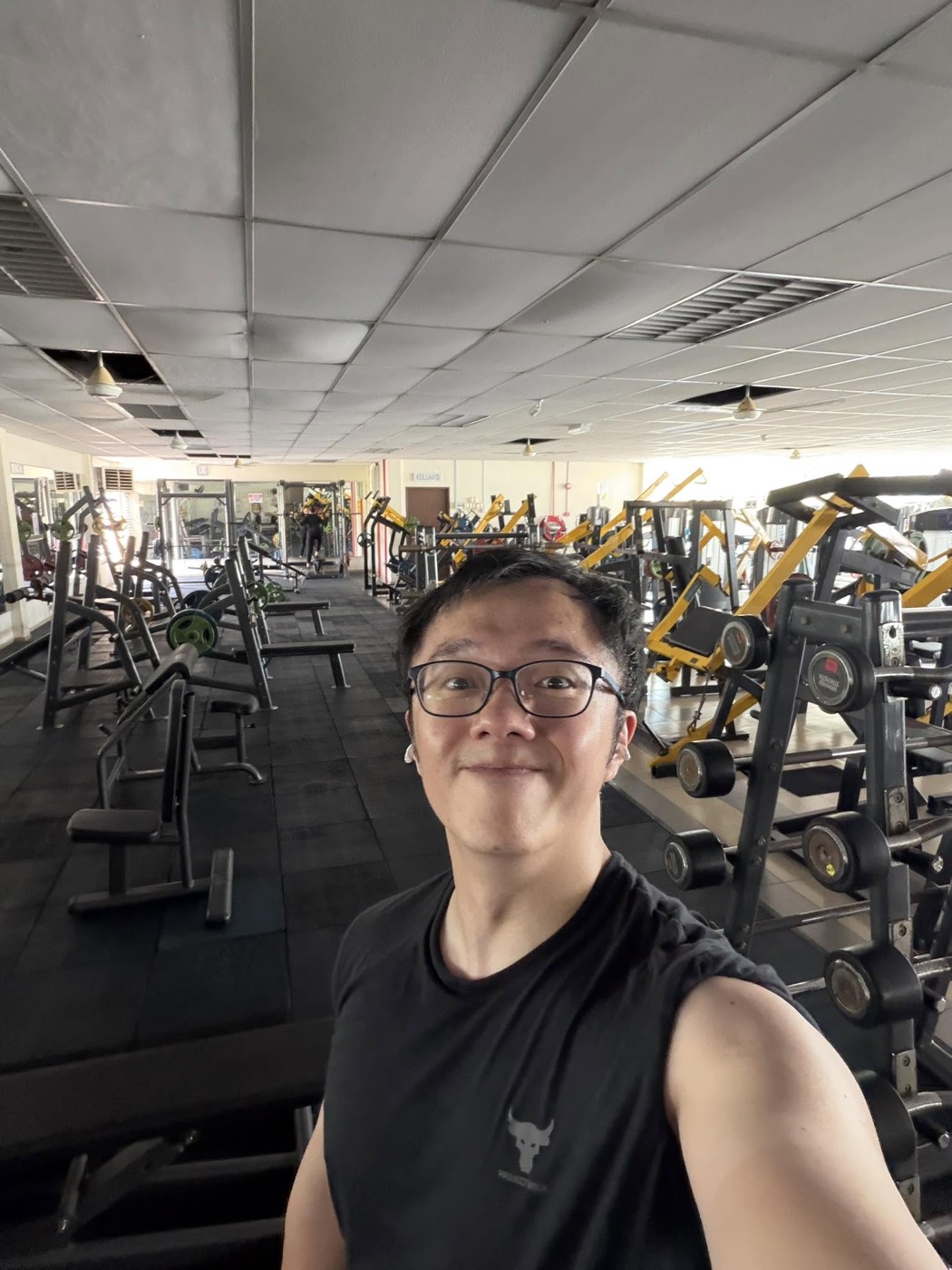
- On the day I sat down to finish this guide, I woke up around 8:30 and spent some time with my son. Then I fetched my wife to her office in town, and drove back to the gym near home.
- I love going during off-peak hours when it's almost empty, so I can use any machine I want without queuing.
- After that I had 1-2 hours of client meetings, with people I actually enjoy working with. In the background, AI turns those same conversations into content, so I never have to invent posts from scratch.
- Then I ate a good lunch, took a short nap, and opened my laptop to write this.

That's not my typical day. Some days I do a lot more. Some days I do almost nothing.
A few years ago this looked very different. I was running a business doing $50-60K a month, and from the outside it looked like I had made it. But I had quietly started to hate what I was doing, and I came close to shutting it down.
The point was never the exact hours. The point is that I get to choose, so my work fits around my life instead of my life fitting around my work.
The goal was never to work less so I could be lazy. It's to work on the right things, so I can live more fully and grow to my fullest potential.
And here's the part most marketers don't like to tell you. There's no single "magic" bullet. I never found one trick that fixed everything.
What I did was borrow the best from people who had each mastered one piece.
- Tony Robbins for psychology.
- James Clear for habits.
- Tim Ferriss for optimisation.
- Alex Hormozi for offers and sales.
- Tiago Forte for second brain.
- Dan Martell for AI and systems.
- Naval Ravikant for leverage and philosophy.
Then I did the real work, which was putting all of it together into one blueprint that fits the life I actually want. This guide is that blueprint. I'll walk you through the inner game first, then the five layers I built it on, plus a bonus 10X Rule for speed.
After 1,200+ students and 150+ clients one to one, what I can tell you is this: the people who get to build their dream business and life at the same time are simply the ones who want it badly enough. The question is, do you? If your answer is yes, let's get started.
The move the best lifestyle businesses are quietly making
The old way is not broken because you are lazy. It is broken because the model is wrong. No amount of hours fixes a wrong model.
A quick filter before you read on
This is for you if:
- You are an entrepreneur or lifestyle business owner, good at the work but capped on income.
- You run a service business and want it to become a real lifestyle business.
- You are busy morning to night, yet still not free.
- You have thought, "I'm doing the things, but something still feels stuck."
- You don't feel 100% confident you'll be able to live to your fullest potential.
- You want all three at once: income, time, and being present for your family.
This is probably not for you if:
- You want passive income or money without showing up.
- You want fast and effortless. This is an upgrade you build over months.
- You are not willing to do the work. I can give you the system, not the discipline.
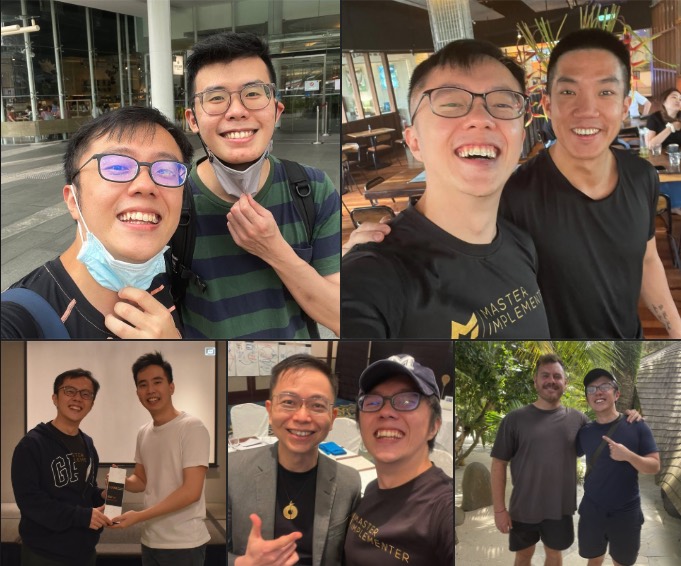
If that sounds like you, then this was written for you.
It starts with psychology first, not strategy or systems
Do not skip this part, because this will determine whether what you do succeeds or not.
You can copy the exact system here: the one offer, the one funnel, the whole structure. Most people still won't get their time and freedom back. Not because the strategy is wrong, but because the strategy was never the bottleneck.
Picture how a normal day goes. You set four hours as the cap. The day is almost done, and you feel the pull to open the laptop again. One more message. One more tidy-up that makes no money. That pull is not a scheduling issue. It is the part of you that doesn't yet believe you are allowed to stop.
Three inner muscles that'll help you succeed:
- 1Patience. The right 20% compounds, but quietly at first. Most quit right before it works.
- 2Focus. This is not about hacks, but cutting the busy work you are addicted to, because busy feels safer than being judged.
- 3Self-worth. The deep one. You only let the business run in 4 hours a day when you believe it's possible.
Most people don't have a "time management" problem. They have a belief problem that shows up as a time problem.
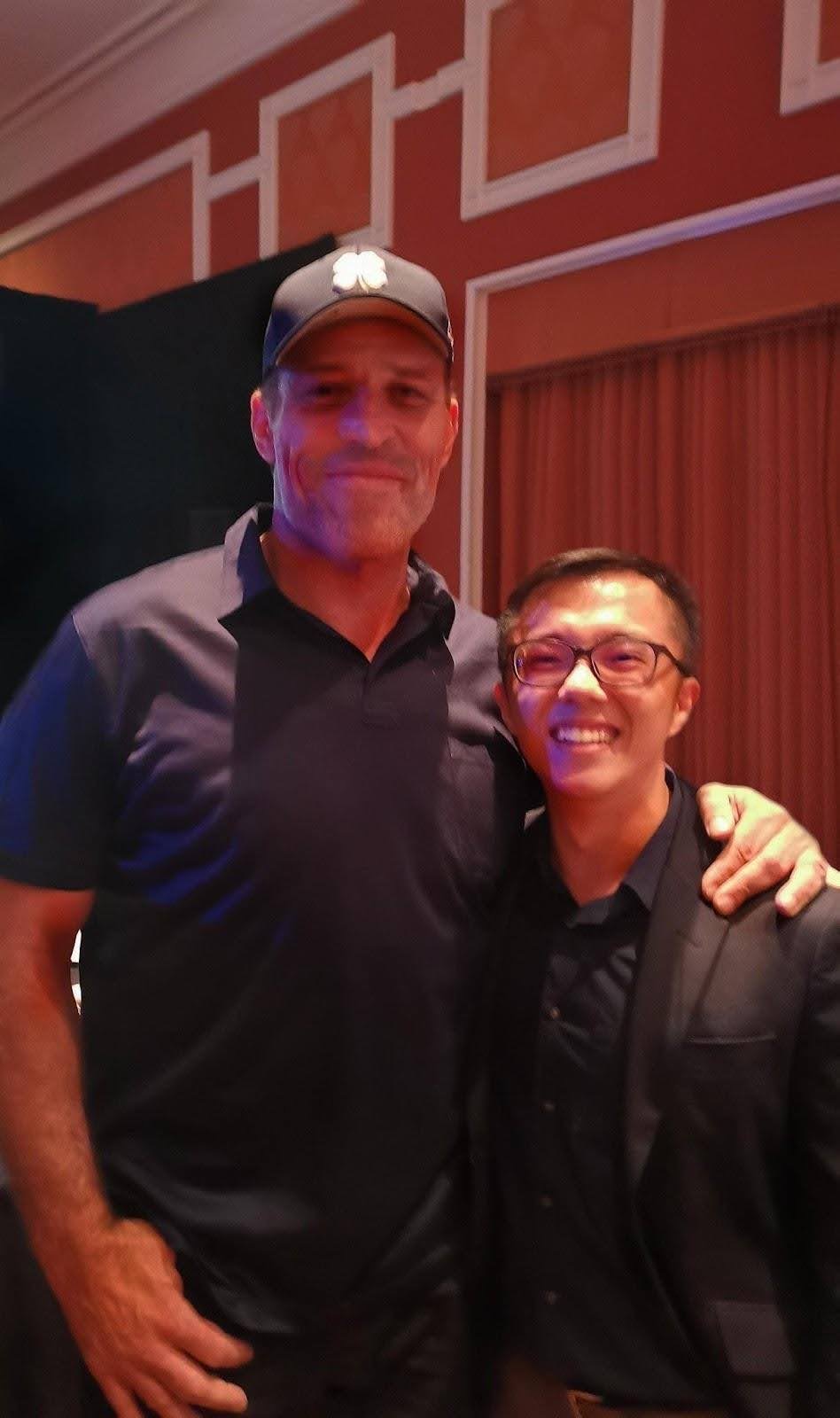
I learnt this early, studying Tony Robbins back when I became his #1 Affiliate in Asia in 2019 for a program he promoted. Out of the 150+ clients I worked with, the ones who made the most money and had the most time back were not those who knew the best tactics, but those who focused on their mindsets too.
In short: inner game first, strategies and systems after.
Once your self is solid, the strategy has somewhere to stand
Here is how the five layers stack. Every layer sits on the one below it, and all of them sit on your psychology. This is the whole map you are about to build, on one screen.
Purpose
We start with Purpose, because every layer sits on it.
Most people skip it and jump to the offer and funnel, because that feels like real work. But a business with no clear purpose gets abandoned the moment life gets hard. And life always gets hard. A weak why folds in exactly those moments.
Purpose is the reason you keep going when the easy thing is to stop.
Three parts to get honest about:
- 1Why you actually want this. Not the networking answer. Usually it is, "I'm tired of building a business that takes me away from the people I built it for."
- 2Your real timeline. Honest about your season, but with a finish line. A parent with a young kid moves differently from a single 25-year-old.
- 3Your number. Not a vague "six figures." A real number you can write down.
Design your life first. Then work out the income required to support it.
Most people do it backwards. They chase a money goal, hit it, and still feel nothing, because the number was never attached to an actual life. So flip the order and start with the day. What does a normal day look like once this works?
For me, I close the laptop in the afternoon and I'm there for my son. Home for dinner, phone down. The weekend is mine unless I choose otherwise. Once you can see that life clearly, your number stops being "I need to grow." It becomes simple: the income that pays for that life. Now it's something you can write down and design your 4 hours around.
The Perfect Typical Day. Don't just chase goals. Design a life you want to wake up to daily. Not a "dream" day of private jets, unless your goal is to do that every day. I love Disneyland, but it's not part of my Perfect Typical Day. Two questions to sit with:
What would an amazing regular day look like for me?
How can I make small shifts now to live more of that?
If your why, your number, and your life don't match who you are, you build a business you secretly resent. I've watched capable people hit their goal and feel nothing. That's the difference between escaping your work and designing your life.
Priorities
Most people don't have a productivity problem. They have a priorities problem.
They do forty things a week, but only 4 grow the business. The rest just keep them busy.
The right 20%, not the easy 20%. Two old ideas do the heavy lifting. Pareto's Principle: about 20% of what you do drives 80% of results. Find that 20% and protect it. Parkinson's Law: work expands to fill the time you give it. Give it a day, it takes a day. Give it ninety minutes, it gets done. So you shrink the container on purpose. That is why I don't chase an eight-hour day. It just gives busy work more room to breathe.
The most powerful productivity app on Earth
Everyone's hunting for a better productivity app, but you already have the most powerful one: your calendar. It shows you your real priorities from the past, it lets you look back at what worked and what didn't, and it lets you plan the week ahead on purpose.
The rule is simple. If something is a priority, it goes on the calendar. If it's not on the calendar, it isn't a priority, it's just a wish.
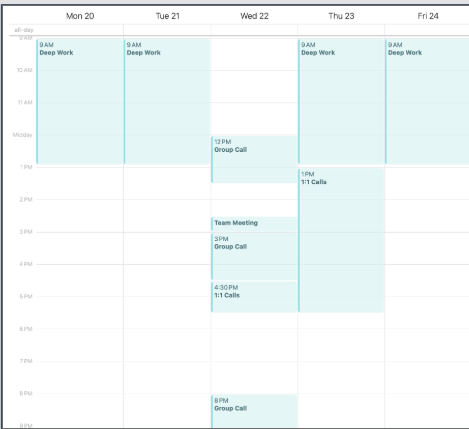
So the first thing I do with a client is a time audit: we look through their whole calendar to see where the hours actually go, and most people get a shock. Then we block in what truly matters, before the busy stuff fills the space for them. Deep work time, family time, exercise and wellness, recharge days, review and reflection, strategy and learning. Add all of these to your calendar and you stop reacting to your week. You start designing it instead.
And the blocks to protect first are the hours spent in your Zone of Genius, the work you are best at and actually enjoy.
The Daily 3: Content, Conversations, Clients
I used to run a longer list. It looked responsible. It was a quiet way to stay busy without growing. So I cut it to three.
That is the list. Three things, every working day. Not on it: redesigning your logo, watching another course, reorganising your notes again. It feels like work, but none of it is the 20%. Do these three and you don't need an eight-hour day. This is why I can still grow my business even when I'm travelling, accompanying my family to a medical appointment, or just deciding to take a chill day off.
Product
This is the layer where what you sell decides how you live.
Let me tell you why I take this layer personally. Remember the business I mentioned at the start, the one doing S$50,000 to S$60,000 a month that I almost walked away from? From the outside it looked great. Inside, I dreaded most of my days, and I didn't feel like myself anymore.
I gave it one last shot before quitting, and I sat down to work out what had actually gone wrong. The money was never the problem. The problem was that I had filled my days with everything except the work I was actually built for.
Most people build an offer for the market, and forget to build it for themselves.
Build the offer around your Zone of Genius
Your Zone of Genius is the small handful of activities, usually three to five, that you're both best at and actually enjoy. Here's what mine looks like, so you can spot yours:
Coaching and consulting, the personal kind where I solve your real problem instead of handing you generic advice.
Creating content and sharing what I've learned along the way.
Building simple systems and frameworks, like the one you're reading right now.
The more of my week I spend on that work, the more everything else falls into place. I get more done in less time, because it's the work I'm wired for. The quality goes up, so clients feel it and pay more for it. And I end the day with energy left over instead of running on empty.
There's a quieter reason this matters more than any tactic. The biggest advantage in this game isn't the best funnel or the cleverest offer. It's being able to run your business for the rest of your life without burning out, and you only get that when the work is truly yours.
An offer that sells but drains you isn't a win. It's just a slower way to quit.
So your Zone of Genius is what your offer should be built around, and what should fill your four hours. Everything else gets delegated, automated, or dropped.
+ Problem-Solving Passion
+ Dream Outcome Congruence
+ Process Alignment
Promising outcomes you haven't achieved yourself, or aren't confident delivering, undermines your sales effort and your growth.
One offer, three simple tiers
Once the offer is built around you, keep the shape simple. One offer, three simple tiers, so people choose their own speed and depth. It runs on one promise and one funnel. For years I did the opposite. I ran a messy menu of courses, workshops, and "just tell me what you need" packages, and all it did was give the buyer more ways to get confused and quietly walk away.
Same goal, two different lives
There is no one right price, and no one right shape. The market shapes it, but you decide. Say your goal is $10,000 a month. You have two very different ways to get there.
| Price | Clients needed | Your week |
|---|---|---|
| $1,500 | ~7 clients | a fuller, energising calendar, your zone if you light up around lots of people |
| $5,000 | 2 clients | a handful of deep relationships, your zone if you recharge going deep with few |
Same number on the invoice, two completely different weeks. So the real question is not "how do I charge more." The real question is "what week do I actually want to live?" If you light up filling your calendar with many people, the lower-price, higher-volume model may be your zone. If you recharge going deep with a few, then premium and fewer is probably your model. Both are real lifestyle designs. The point is to start from what suits you, not from what worked for someone else.
One offer, made a little better each year, is what lets you compound instead of starting over.
The power of recurring revenue
A one-off sale pays you once. Then next month you start the chase all over again. Recurring revenue works in a completely different way. A membership, a retainer, or a programme that renews pays you for the result you keep delivering, so your income builds on itself instead of resetting to zero every month.
The number I actually watch is my MRR, my monthly recurring revenue, because it tells me the business is steady, not just lucky this month. Years ago I once collected over S$15,000 in recurring revenue during my honeymoon, while I wasn't working at all. The system kept its promise to my clients while I kept mine to my wife.
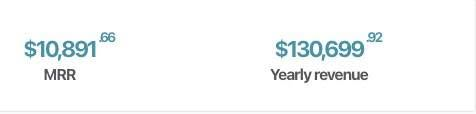
But the figure is not the real win. The real win is that I haven't had to chase a stranger for a sale in years. A community that renews means I get to choose the work that fits me, instead of taking whatever pays.
Keeping a client who already trusts you is far easier than chasing a new stranger every month.
You don't need more offers. You need one good one, built around you, and priced like you mean it.
Pipeline
This is where new people raise their hand every day.
The first three layers got you clear on the why, the priorities, and the offer. Most people dread this part. They picture seventeen-step funnels and ads they don't understand. So they avoid it, and the leads stay silent.
A pipeline you run in 15 minutes a day beats a clever one you never touch.
One funnel, not a maze. One simple path a stranger can walk without getting lost. Content brings them in, a conversation builds trust, the conversation becomes a client. I call it the 3Cs: Content, Conversations, Clients. The same three as your Daily 3, just seen as a journey.
Most people break it one of two ways: post and hope, or post and pitch. Both of those skip the middle C, where trust gets built. Magnetic content is not going viral or posting ten times a day. It is saying true things the right person reads and thinks, "this one gets me." My filter before posting is one question: does this reinforce who I am, or is it just interesting? If it is only interesting, I drop it. You are not trying to reach everyone. You want the few who read your story and feel you are describing their life.
Daily leads, not luck. For years mine came in waves: a launch, a rush, then silence. Boom and bust is the opposite of a lifestyle business. The fix was not a bigger launch. It was a 15-minute daily rhythm: share one useful insight, then add one soft invite.
Your content didn't fail you. You just never asked.
Profit (Business AND Life)
Most people think profit is one number: the money left at month's end.
I used to think that too, until one month broke the idea. I took 2 full weeks off to be with my family, and made more than the months when I used to grind every day.
Business Profit is the money. Life Profit is the time, energy, and presence you keep. A real lifestyle business grows both.
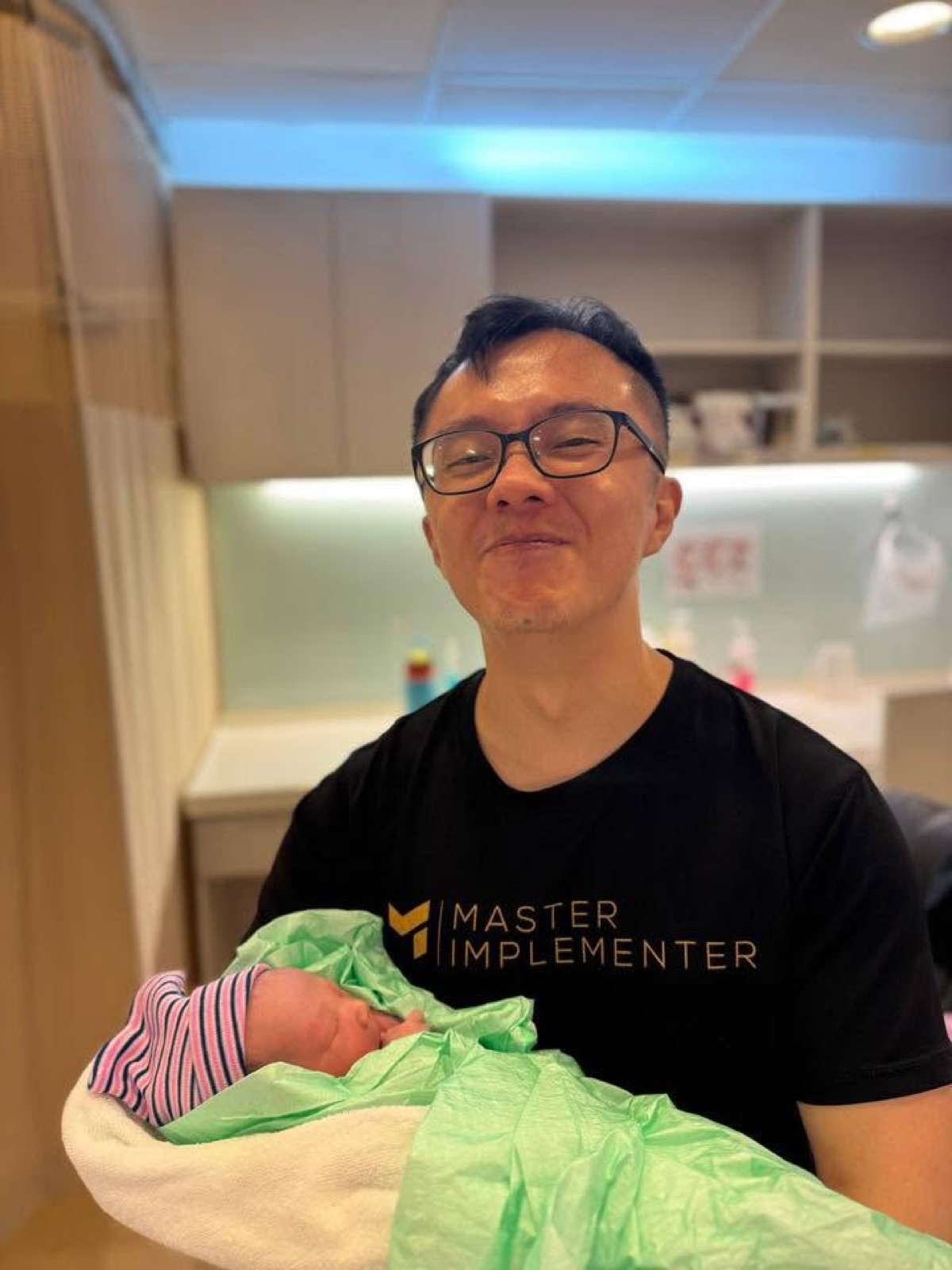
You finish a call at 5:55pm, promising yourself you would pick your child up. Then one more "quick" call, so the helper goes instead. You made the money and missed the moment, which defeats the purpose of why you started in the first place. A year of that, and you have more revenue but less of your kid's childhood.
What I did. I stopped selling my time only, and started selling the same result three ways:
- 1The 1:1 call. Highest trust and value, but you can only sit in so many chairs. So I set clear boundaries on when I will and will not do the calls.
- 2The 1:many room. Group and live workshop. Teach once, and 30 people receive it in the same 90 minutes. Life Profit and Business Profit climb together.
- 3The offer doc. One document so clear the right person says "this is for me" before the call. A weak offer means you persuade on every call. A strong doc persuades for you.
Profit was never only the money. It is the money and the life that money was meant to buy back.
Where you are now
This works, but not overnight. Anyone promising a 4-Hour Workday by next month is selling you a feeling, not a business. It typically takes three key phases.
Phase 1: Clarity. Most are stuck here without realising. They are busy, doing the things, and something still feels off. The problem is almost never effort. It is clarity before cash.
Clarity comes before cash. Get the offer right, and your first $10K month stops being based on hope.
Phase 2: Growth. You proved the offer works. Now make it repeatable, with a pipeline that brings leads without starting from zero every Monday. A lot of people add a second offer too early. That is how you end up busy but not free again.
Phase 3: Freedom. Everyone wants to start here, and that is the move you can't make. Freedom is built on top of a business that already makes money.
The order is the same for everyone. Clarity, then growth, then freedom. Skip a phase and you build a job that pays more. Follow it and you build a business that gives your life back.
The 10X Rule
The five layers are your foundation. They are enough to build a real $10-30K/mo business in 4 hours a day. Here is how I moved faster than most, by using five accelerators that multiply results, time, and speed without adding more hours.
- 1AI and a Second Brain. In 2026 a one-person lifestyle business is genuinely possible, and AI is a big reason. I run a second brain that holds my frameworks, my voice, and my client patterns. The caveat most people get wrong: never systemise something you haven't proven by hand. Prove it manually, then systemise.
- 2Environment. Willpower loses to environment, so set up three layers where the right move becomes the easy move. Physical: temptations out of reach, the good stuff in plain sight. Digital: notifications off by default, then add back only the few that matter. Social: more time with the few who stretch you, less with the rest.
- 3Accountability. The biggest reason I keep moving on the days I don't feel like it. Put something on the line, a real cost if you don't follow through. Adding just this took my clients from about 20% follow-through to around 90%. Make it about who benefits, and keep your word to yourself.
- 4Feedback. What gets measured gets improved. If you're taking lots of action and still stuck, feedback is usually the missing piece. Pull it from three sources, not one: yourself, other people, and the numbers. Data doesn't flatter you.
- 5Who, Not How. For years I asked "how do I do this myself." The faster question is Who, not How. Who you hire, the one or two people who free you to spend your 20 hours on the right 20%. Who you learn from, mentors. I have put $150K+ into mentorship and would do it again, because mentors are 10X progress. They already paid for the mistakes you are about to make.
Automation multiplies whatever you feed it. Feed it a broken process and you get a faster broken process.
The five layers build the business. The 10X Rule decides how fast it moves.
The safety net is fraying, and the advantage is biggest right now
For twenty years, real leverage belonged to people with a team. A one-person business stayed small, because one person could only do so much. That just broke wide open. In 2026, the tools that needed a content team, an admin team, and a marketing team sit on your laptop. One person runs what used to need all three.
The old way was trade more hours for more money. That model is dying, and the people still running it feel the most stuck.
The safety net is fraying. You have seen it. The senior professional, mid-40s, two kids and a home loan, let go after eighteen years. Not because they were bad, but because the role got cheaper to replace. The same wave that hands you that advantage as a business owner is removing the safety of being an employee.
A business you own, running in 4 hours a day at $10-30K a month, is no longer a luxury. It is the most stable thing you can build.
The real cost of staying stuck. People think the risk is trying something and it failing. The real risk is quieter: another year of motion without traction. The pickup that keeps losing to a "quick" call. The reno you delay because income swings $5K one month and $15K the next. Nobody hands you a bill. That is why it is dangerous. The cost is paid in time you don't get back.
If something shifted while reading this, don't let it fade. Clarity is the most perishable thing you own.
The whole thing, on one page
The 4-Hour Workday System
- Psychology first. It's a belief problem that shows up as a time problem. Inner game before strategy.
- Purpose. Design your life first, then work out the number that pays for it.
- Priorities. The right 20%, run through your calendar and your Daily 3: Content, Conversations, Clients.
- Product. One offer built around your Zone of Genius, three simple tiers, recurring revenue.
- Pipeline. One funnel, the 3Cs, 15 minutes a day: share one useful insight, then one soft invite.
- Profit. Grow the money and the life the money was meant to buy back.
- The 3 Phases. Clarity, then growth, then freedom, in that order.
- The 10X Rule. AI and a second brain, environment, accountability, feedback, and Who not How.
Everything here is the map. But a map is not the road.
The full system, the same five layers I walk my clients through. I held nothing back. I can show you what to build. I can't reach into your week and build it with you. Here's what no guide can do, no matter how good it is.
- 1Install your psychology. I can tell you the inner game comes first. I can't sit with you while you face the part that still believes some low number is your worth. That work happens in conversation, with someone watching your blind spots.
- 2Choose your one offer. You know it should be one, not five. Picking yours is hard to do alone. You need an outside eye that has seen 150+ of these go right and wrong.
- 3Find the leak in your funnel. Knowing the funnel isn't the same as someone looking at yours and naming the one thing that's leaking. You can't fix a leak you can't see.
- 4Keep you accountable. You know the feeling: "I know what to do, I'm just not doing it consistently." A PDF can't text you on a Tuesday.
- 5Compress the years. I spent years and serious money learning this the slow, lonely way, and I still got it wrong for a long time. I cried in my bedroom on 1 March 2024 with my resume ready, about to quit. A room with someone who walked the road means you skip the wrong turns.
The map shows the destination. It can't drive you there or sit beside you on the hard days. That part is the work we do together.
And that is how it should be. If a free guide could fully build a six-figure business inside someone, it would be worth nothing. You have done the hard part. You read this far, so you are not short on effort. You have just been pouring it into a model that was never built to give it back.
Take it deeper with the free AI companion
The free AI companion is a guided reflection you run with any AI tool, to look honestly at where your time actually goes right now.
It walks you through your own days one question at a time, so the picture is yours, not a generic template.
Open the AI companion